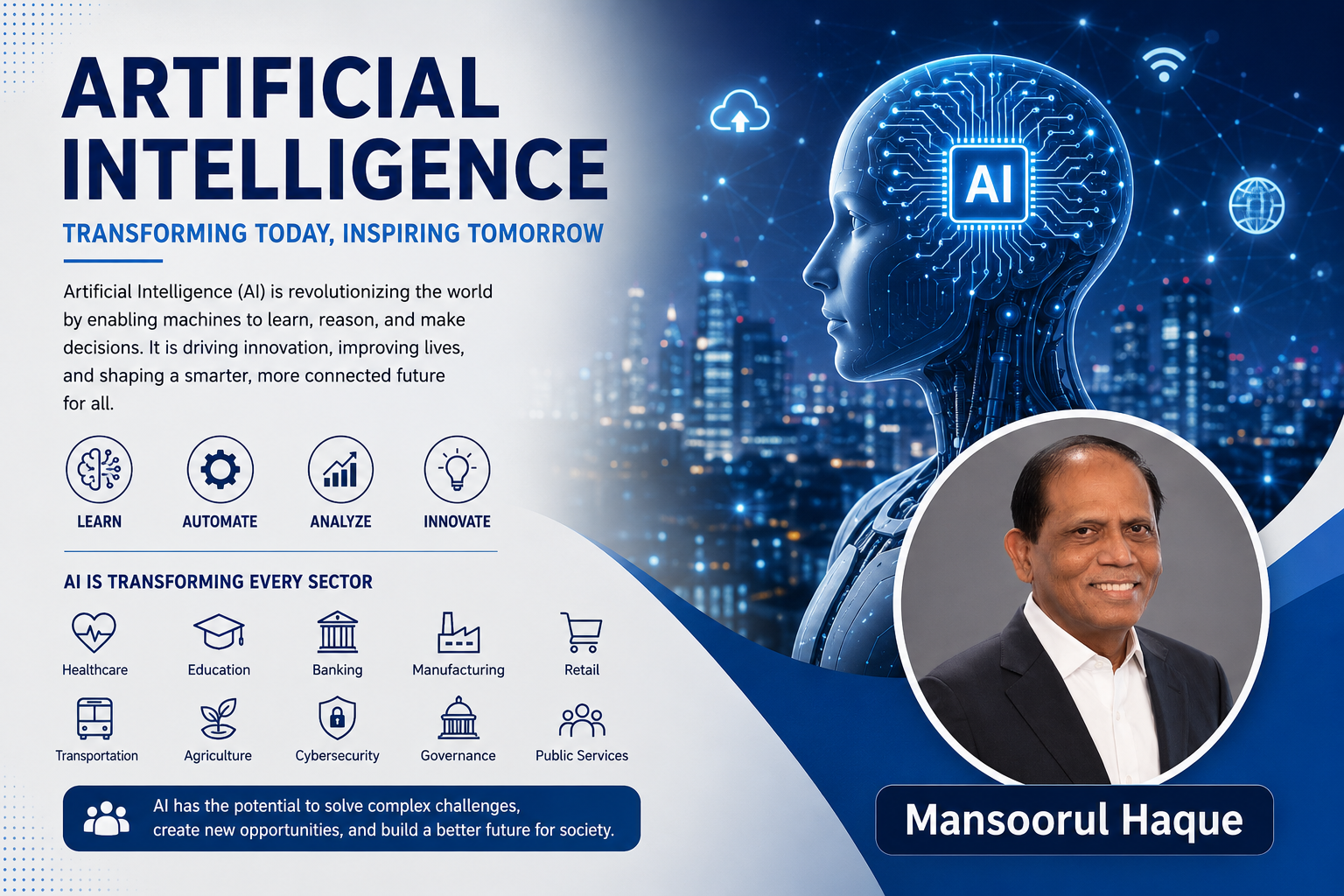
Artificial Intelligence (AI) is one of the most transformative technologies of the 21st century. It refers to the ability of machines and computer systems to perform tasks that traditionally require human intelligence, such as learning, reasoning, problem-solving, understanding language, recognizing images, and making decisions.
The Rise of Artificial Intelligence
AI has evolved rapidly from simple rule-based systems to advanced technologies capable of learning from enormous amounts of data. Machine learning, deep learning, generative AI, and agentic AI are enabling machines to understand complex information and perform increasingly sophisticated tasks.
Today, AI is being used across almost every sector, including healthcare, education, banking, manufacturing, transportation, agriculture, defence, cybersecurity, and government services.
AI in Government and Public Services
AI has significant potential to improve public administration and citizen services. Government organisations can use AI to analyse large datasets, detect fraud, automate routine processes, improve grievance management, predict infrastructure requirements, and support evidence-based decision-making.
In areas such as transportation and infrastructure, AI can help monitor roads, analyse traffic patterns, predict maintenance requirements, improve road safety, and optimise resource utilisation. This can lead to faster, more transparent, and citizen-centric services.
Generative AI and Agentic AI
Generative AI has introduced a new dimension to artificial intelligence by enabling systems to create text, images, software code, reports, and other forms of content. It can significantly improve productivity by assisting professionals with research, documentation, communication, and analysis.
The next stage is Agentic AI, where AI systems can understand objectives, plan tasks, interact with different systems, and take actions with limited human intervention. This can help organisations automate complex workflows rather than simply generating information.
AI and Cybersecurity
AI is also changing the cybersecurity landscape. Security teams can use AI to identify unusual behaviour, detect potential threats, analyse security events, and respond to incidents faster. At the same time, cybercriminals are using AI to create more sophisticated attacks.
Therefore, organisations must adopt responsible AI governance, strong cybersecurity controls, data protection measures, and continuous monitoring to ensure that AI is used safely.
Challenges and Responsible AI
Despite its enormous potential, AI presents challenges related to privacy, data security, bias, misinformation, job transformation, accountability, and ethical decision-making. AI systems are only as reliable as the data, models, processes, and governance behind them.
Responsible AI should therefore focus on transparency, fairness, security, human oversight, explainability, and accountability.
The Future of AI
AI will increasingly become an integral part of everyday life and organisational operations. Rather than simply replacing human capabilities, its greatest value will come from combining machine intelligence with human creativity, experience, and judgement.
The future belongs to organisations that can adopt AI strategically while maintaining strong governance and human oversight. With responsible implementation, AI can become a powerful enabler of innovation, economic growth, efficient governance, better public services, and a more connected and intelligent society.
Conclusion: Artificial Intelligence is not merely a technological trend; it is a fundamental transformation in how people, organisations, and governments work. The key challenge is no longer whether we should adopt AI, but how we can adopt it responsibly, securely, and effectively to create sustainable value for society.
IndiaIT360 is passionate about fostering community within the tech industry. IndiaIT360's commitment to staying abreast of the latest trends and advancements in the IT industry ensures that their content is not only informative but also insightful and forward-thinking. Through their writing, they aim to demystify complex technological concepts, making them accessible to a broad audience.
Over the last three decades, Alok has been pivotal in creating products & solutions catering to the Data Security segment and GIS-based Project Management Solutions in the Oil, Gas, Water & other Utility segments through his first company, Unistal Systems Pvt. Ltd. His role in the organization is generating new business opportunities, and he has worked with the biggest brands in the IT segment, namely – HP, Lenovo, Acer, HCL, Wipro, etc., providing their flagship product, Protegent Antivirus, as bundled packs. The company has also offered GIS-based project management software to major Oil & Gas brands like PetronasCarigali SDN BHD, GAIL India Limited, Gujarat State Petronet Limited, ONGC, IGL, HPCL, and many more.
Pankaj Mathur, Director
Pankaj has been the backbone of the organization, with over three decades of experience spearheading some of the company's most innovative products. Co-founder and Director of Unistal Systems Pvt. Ltd. He has always wanted to do things that would be niche and worked on them to attain what no one has achieved before. When everyone was talking of data recovery and data loss problems, he designed a pioneering software product, Crash Proof, which was a data loss prevention software.
Pankaj’s determination and foresight led to developing GIS-based Project Management Software solutions for the oil, gas, water, and other utility sectors. Under his leadership, Unistal has created over 50 products and 4 unique solutions covering data security and the Oil and gas segment. Under his guidance, the development of IndiaIT360 was initiated with a strong team of developers and designers following his directions for a user-friendly experience.
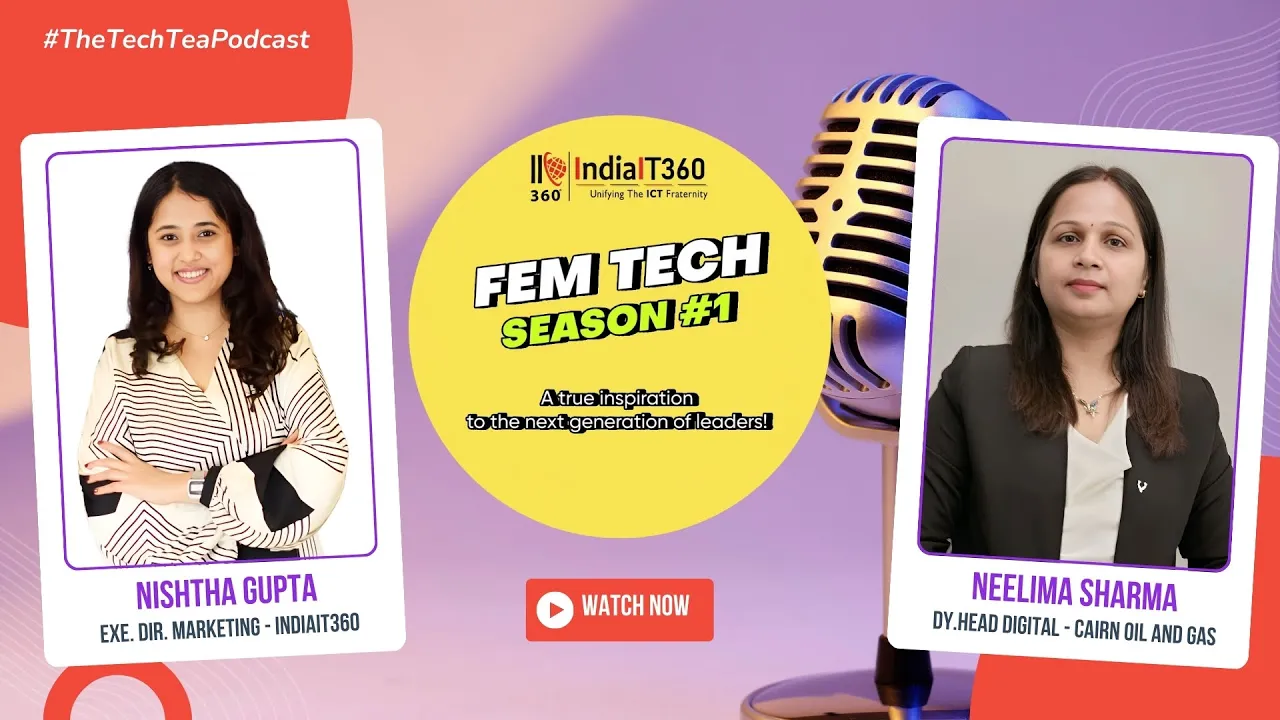
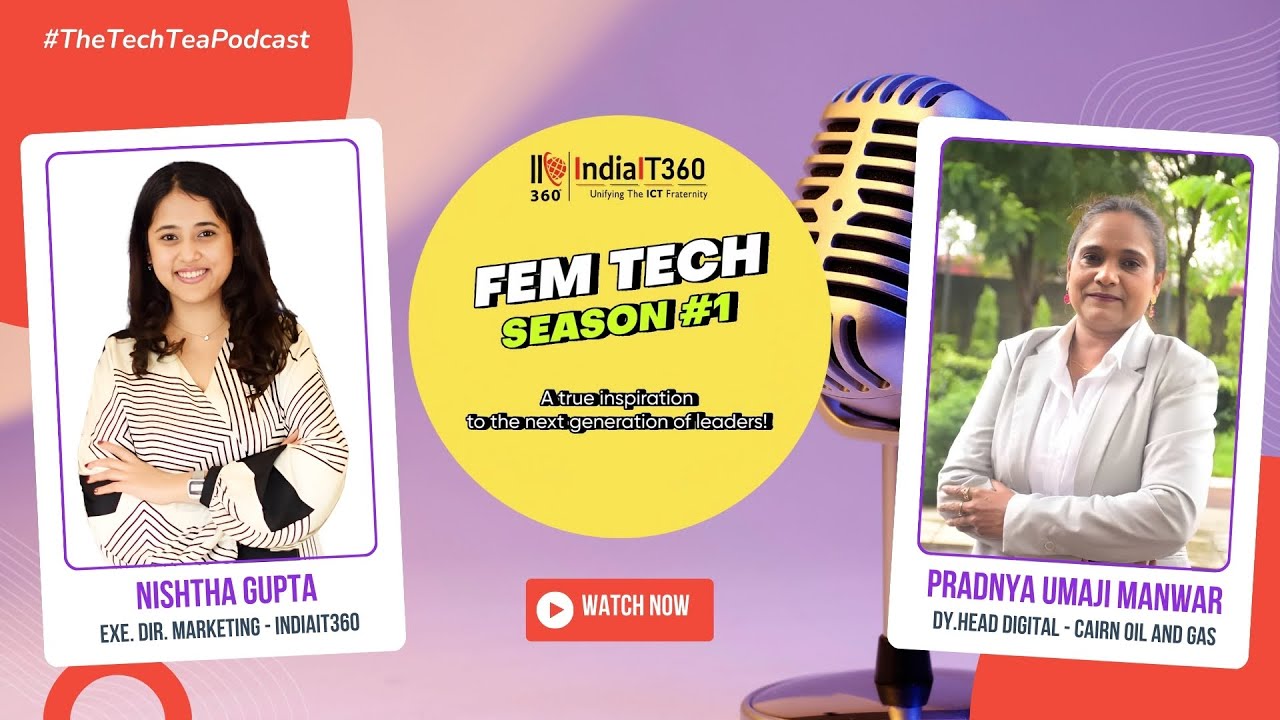
Nishtha Gupta, Executive Marketing Director
As Executive Marketing Director, Nishtha Gupta leverages her deep understanding of marketing strategy, business planning, and public relations to deliver significant value to clients. She is a recognized leader in the ICT community, driving innovation and growth. Her strategic PR expertise has successfully elevated brand awareness for prominent beverage companies. Nishtha is dedicated to fostering a collaborative and empowering work environment, ensuring the seamless execution of all campaigns for our clients
Sarita Verma, Campaign (Lead)
Sarita is a competent Marketing Manager with over ten years of experience creating advertising and marketing plans for an extensive spectrum of clients. She is adept at coordinating the launch of new products that help boost revenue and brand awareness.
Sarita supervises the backend operations and oversees the comprehensive implementation of all campaigns developed for IndiaIT360 clients.
Arvind Singh, Digital Marketing (Lead)
Arvind is an experienced digital marketing professional passionate about growing businesses through innovative online strategies. With 15 years of experience under his belt, Arvind has helped a range of industries—from healthcare and e-commerce to IT products and services—thrive in the digital landscape. His extensive background in digital marketing has equipped him with a unique understanding of what works and what doesn't, allowing him to deliver tailored solutions that exceed expectations.
Digital Campaigns
IT OEMs and Startups: Reach your target audience with ease! Break free from limited networks and repetitive business operations. IndiaIT360 designs customized marketing campaigns to connect you with top Indian CIOs and IT partners, amplifying your products/services visibility and sales potential.
Understand Goals and USP
Analyze & identify target audience
Design campaign pages
Multi-channel outreach
Mailers, WhatsApp Messages, Social Media Marketing on LinkedIn, Tele-calling




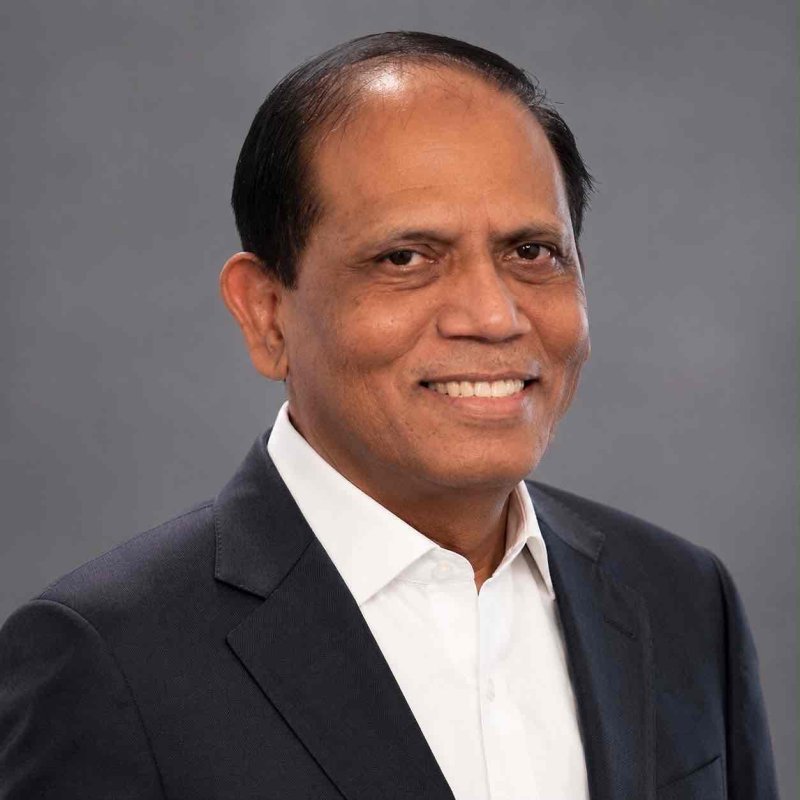 Mansoorul Haque

 Team IndiaIT360